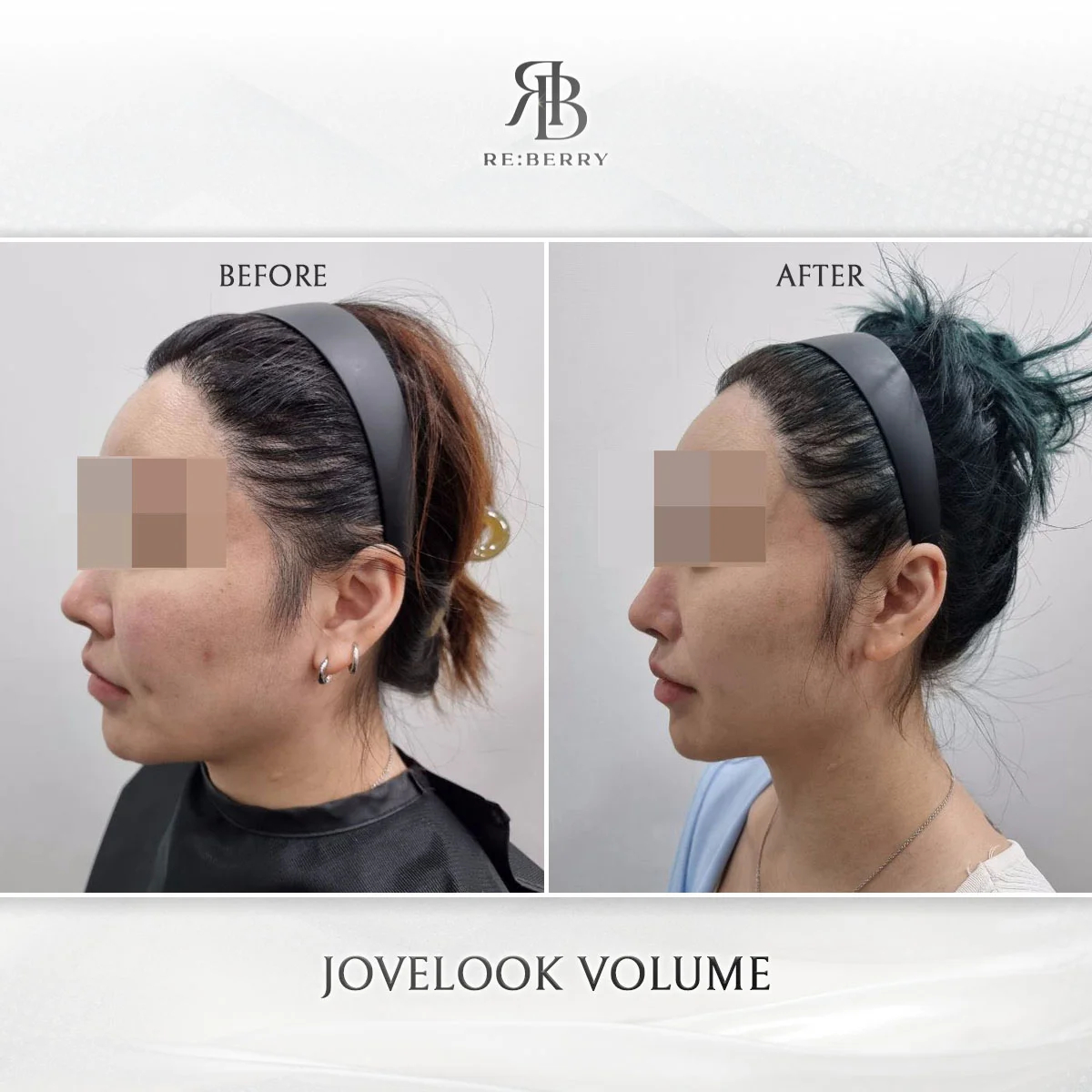
How Botox and Fillers Work: Mechanisms and Safety Profiles
Botulinum toxin type A (Botox) temporarily blocks acetylcholine release at the neuromuscular junction, reducing muscle contraction for 3-6 months per session. The KFDA (Korea's Ministry of Food and Drug Safety) has approved multiple botulinum toxin products for cosmetic use, including Botox (onabotulinumtoxinA), Dysport, and Korean-manufactured alternatives such as Nabota. Each product undergoes rigorous clinical trials demonstrating safety and efficacy before market authorization.
Dermal fillers, primarily hyaluronic acid-based products like Juvederm and Belotero, restore volume by binding water molecules beneath the skin surface. These fillers integrate into tissue at depths of 1-4mm depending on the product viscosity and target area. The reversibility of HA fillers with hyaluronidase provides an additional safety mechanism that non-HA fillers like Radiesse and Sculptra do not offer.
Common Side Effects and Their Duration
Botox Side Effects
Clinical data from over 3,700 treated patients shows bruising occurs in approximately 19% of Botox injection sites, resolving within 5-7 days. Headache affects roughly 11% of patients and typically subsides within 24-48 hours. Eyelid ptosis, the most commonly cited concern, occurs in fewer than 2% of cases when proper injection technique is used, with spontaneous resolution within 2-4 weeks. Asymmetry from uneven diffusion occurs in about 3% of treatments and can be corrected with a follow-up adjustment at 14 days.
Filler Side Effects
Dermal filler injections produce swelling in 90% of patients, peaking at 24-48 hours and resolving within 3-7 days. Bruising affects 19-24% of treatment areas. Nodule formation occurs in approximately 2-5% of cases, more frequently with thicker products used in deep tissue planes. Vascular occlusion, the most serious complication, occurs in fewer than 0.001% of procedures but requires immediate intervention with hyaluronidase within 4-6 hours. Seo et al. reported a comprehensive safety analysis in the Journal of Cosmetic Dermatology. 2023;22(4):1203-1210. doi:10.1111/jocd.15592
Contraindications and Pre-Treatment Screening
Absolute contraindications for Botox include pregnancy, breastfeeding, known hypersensitivity to botulinum toxin, and neuromuscular disorders such as myasthenia gravis or Lambert-Eaton syndrome. For dermal fillers, active bacterial or viral skin infections at the injection site, autoimmune connective tissue diseases, and a history of severe allergic reactions to HA products require avoidance. Patients taking blood thinners should discontinue aspirin or NSAIDs 7-10 days before treatment to reduce bruising risk.
A qualified practitioner conducts a thorough medical history review, assesses facial anatomy, and documents any previous injectable treatments before proceeding. In Korea, clinics operating under KFDA oversight maintain standardized screening protocols that include allergy history, medication review, and photographic documentation.
KFDA Regulation and Clinic Standards in Korea
Korea's MFDS (Ministry of Food and Drug Safety) regulates all injectable products through a multi-phase approval process requiring Phase III clinical trials with a minimum of 300 participants. Post-market surveillance extends for 6 years after approval. Korea has over 15 KFDA-approved botulinum toxin products as of 2026, more than any other country, reflecting both market demand and regulatory rigor. Kim et al. detailed the Korean regulatory framework in Archives of Plastic Surgery. 2021;48(5):515-523. doi:10.5999/aps.2021.00710
Clinics in Korea operate under the Medical Service Act, requiring physician-administered injections with documented product lot numbers and expiration dates. Aesthetic Medicine Specialists perform injectable procedures following standardized protocols that include emergency preparedness with hyaluronidase and epinephrine on-site. RE:BERRY maintains these standards across all branches, with each practitioner completing over 500 supervised injection procedures before independent practice.
Minimizing Risks: What Patients Should Know
Selecting a licensed clinic with KFDA-approved products eliminates the risk of counterfeit or diluted formulations, which account for an estimated 8-12% of injectables in unregulated markets. Patients should verify that the product vial is opened in their presence, check the batch number, and confirm the expiration date. Avoiding alcohol for 48 hours before treatment and applying arnica gel post-procedure reduces bruising duration by approximately 30%.
Follow-up appointments at 14 days allow the practitioner to assess results, address any asymmetry, and document outcomes. For filler treatments, knowing the specific product used is critical because only HA-based fillers can be dissolved with hyaluronidase in emergency situations. Keeping a personal record of product names, volumes, and treatment dates enables safer future procedures at any clinic.